Many students walk past their school or college career center without realizing how valuable it actually is. It’s not just a place to print resumes or check job postings—it’s a resource hub designed to help you understand your future.
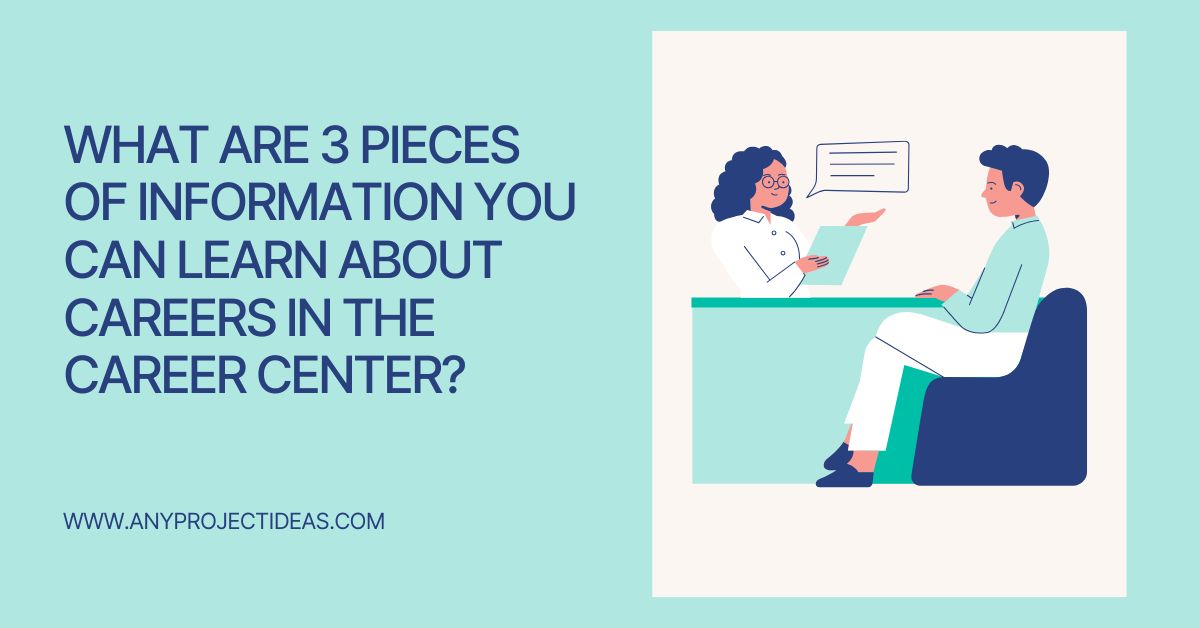
If you’ve ever wondered what are 3 pieces of information you can learn about careers in the career center?, the answer goes deeper than you might expect. A good career center provides structured, reliable, and personalized insights that can shape your entire career path.
In this guide, we’ll break down those three core pieces of information and explain how each one can help you make smarter decisions about your future.
Why Career Centers Matter More Than Students Think?
Career decisions often feel overwhelming. Students face pressure to choose the “right” path, yet many lack clear guidance. That’s where career centers step in.
Career centers offer:
- Verified career data and resources
- Personalized guidance from trained advisors
- Access to internships and job opportunities
- Skill development workshops
According to education surveys, students who actively use career services are more likely to secure jobs within six months of graduation. That’s not luck—it’s preparation.
Understanding what you can learn from a career center helps you use it effectively instead of ignoring it.
You May Also Like: What Types Of Jobs Would Require A Vocational Degree?
What Are 3 Pieces of Information You Can Learn About Careers in the Career Center?
At its core, a career center helps you answer three essential questions:
- What career options exist for you
- What skills and qualifications those careers require
- What real-world opportunities are available right now
Let’s explore each in detail.
Career Options and Pathways
One of the biggest challenges students face is simply not knowing what careers are out there. Most people only consider a handful of common professions, often based on family or social influence.
A career center expands your perspective.
What You Learn Here?
Career centers provide detailed information about:
- Different industries and job roles
- Emerging career fields
- Career growth paths and transitions
- Day-to-day responsibilities of various jobs
For example, a student interested in technology might initially think only of software development. A career center can introduce related roles like data analysis, cybersecurity, UI/UX design, or cloud computing.
Why This Matters?
Without proper exposure, students often limit their options too early. Career centers help you:
- Discover careers that match your interests
- Avoid choosing a path based on incomplete information
- Explore alternatives you may not have considered
How Career Centers Provide This Information?
They use:
- Career databases and tools
- One-on-one counseling sessions
- Career exploration workshops
- Industry reports and guides
This structured approach ensures that the information is accurate and up to date.
Skills, Education, and Requirements for Careers
Once you identify a potential career, the next question is simple: what does it take to get there?
Career centers provide clear answers.
What You Learn Here
You gain insights into:
- Required degrees or certifications
- Essential technical and soft skills
- Training programs and courses
- Experience needed for entry-level roles
For example, if you’re interested in marketing, a career center will explain that beyond a degree, you need skills like communication, analytics, and digital tools.
Why This Matters
Many students underestimate or misunderstand job requirements. This can lead to wasted time or missed opportunities.
Career centers help you:
- Set realistic goals
- Build the right skill set early
- Avoid unnecessary courses or certifications
Real Value for Students
Instead of guessing what employers want, you get structured guidance. This improves your confidence and direction.
A well-informed student makes better academic and career decisions.
Job Opportunities, Internships, and Market Trends
Knowing your options and requirements is important, but you also need access to real opportunities.
This is where career centers provide a strong advantage.
What You Learn Here
Career centers connect you with:
- Internship opportunities
- Entry-level job openings
- Campus recruitment programs
- Industry hiring trends
They also provide insights into:
- Salary expectations
- High-demand industries
- Skills currently in demand
Why This Matters
The job market changes quickly. Without updated information, students can prepare for roles that are no longer in demand.
Career centers help you:
- Stay aligned with market needs
- Apply for relevant opportunities
- Gain early work experience
Additional Support
Most career centers also offer:
- Resume building guidance
- Mock interviews
- Networking opportunities
- Employer connections
These services significantly improve your chances of getting hired.
Additional Benefits You Get From a Career Center
While the three main areas cover the core value, career centers offer much more.
Personalized Career Counseling
Career advisors help you:
- Identify strengths and weaknesses
- Match your personality with suitable careers
- Create a step-by-step career plan
This personalized approach makes a big difference compared to general online advice.
Skill Development Workshops
Career centers often conduct workshops on:
- Communication skills
- Interview preparation
- Resume writing
- Professional behavior
These skills are essential for success but rarely taught in regular classes.
Networking Opportunities
Many career centers organize:
- Career fairs
- Industry talks
- Alumni meetups
These events help students connect with professionals and learn directly from their experiences.
Common Mistakes Students Make With Career Centers
Despite all these benefits, many students fail to use career centers effectively.
Here are some common mistakes:
Ignoring the career center until the final year
Waiting too long reduces the time available to prepare.
Only using it for resume help
Career centers offer much more than basic services.
Not asking questions
Students often hesitate to seek guidance, which limits their learning.
Relying only on online information
Career centers provide verified and personalized insights that the internet cannot always match.
Avoiding these mistakes can significantly improve your career outcomes.
How to Use a Career Center Effectively
To get the most value, you need a simple strategy.
Start early
Visit the career center in your first or second year.
Be clear about your goals
Even a rough idea helps advisors guide you better.
Attend workshops and events
These provide practical learning and exposure.
Ask specific questions
The more precise your questions, the better the answers.
Follow up regularly
Career planning is an ongoing process, not a one-time activity.
Students who actively engage with career centers often feel more confident and prepared.
Don’t Miss: Mesopotamia Project Ideas
Final Thoughts
So, what are 3 pieces of information you can learn about careers in the career center? You gain clarity on career options, understand the skills and qualifications required, and access real-world job opportunities.
These three pillars form the foundation of smart career planning.
A career center is not just a resource—it’s a guide. It helps you move from confusion to clarity, from uncertainty to direction.
If you’re serious about your future, don’t overlook this valuable support system. Use it early, use it wisely, and let it shape a career path that truly fits you.
Frequently Asked Questions
What are the three main types of career information available in a career center?
Career centers provide information about career options, required skills and qualifications, and current job or internship opportunities to help students plan effectively.
How can a career center help students choose the right career?
Career centers offer career assessments, counseling sessions, industry information, and career exploration resources that help students identify suitable career paths.
Can career centers provide information about job requirements?
Yes, career centers explain educational qualifications, certifications, technical skills, and experience requirements needed for different careers and industries.
Do career centers help students find internships and jobs?
Career centers connect students with internships, entry-level jobs, campus recruitment programs, and employer networks while sharing current job market trends.
Why should students visit a career center early in their education?
Visiting early helps students explore career options, build relevant skills, access opportunities, and make informed academic and professional decisions sooner.