
What issues do you face everyday? Maybe you are a student who struggles to find an empty parking space or a farmer struggling due to bad irrigation. Or perhaps you are an elderly person struggling to remember to take your medication. However small these issues may seem there is always an opportunity to create something useful.
Design thinking allows engineering students to find practical solutions to everyday problems.
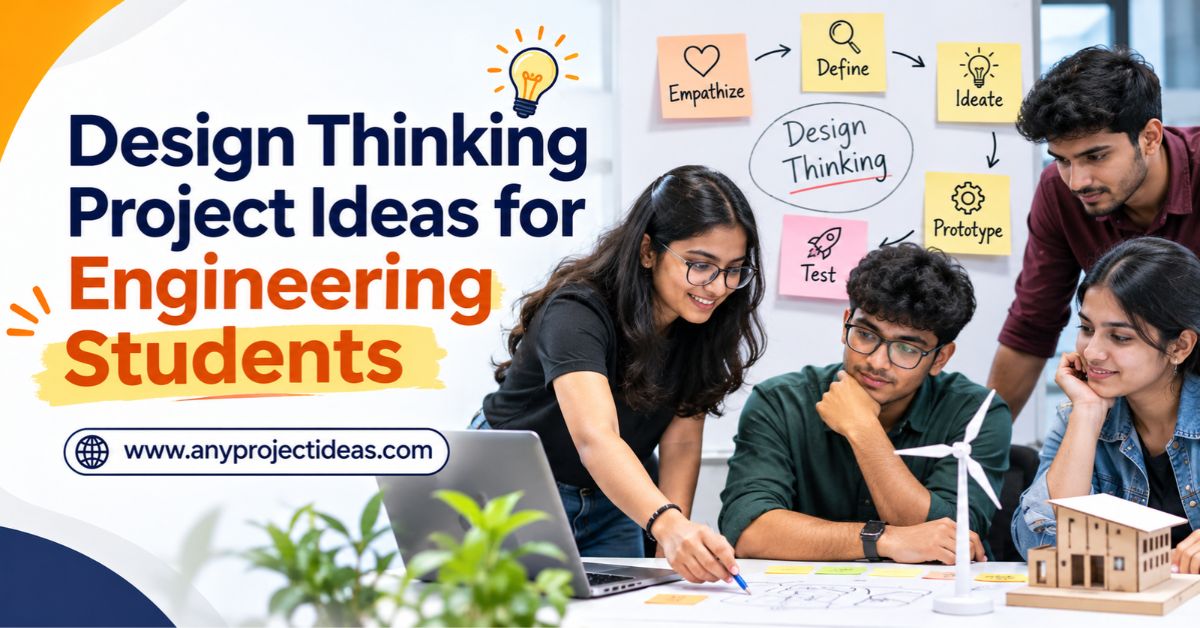
Unlike traditional assignments, design thinking projects focus on people. You will first understand why an issue is happening, think about how you can solve the problem and finally come up with a solution that can be trialled.
A student may notice that there is often a waste of water in their college bathrooms. Rather than creating a water saving device they can research why the taps are being left on and design a system to overcome the issue.
This can be applied to almost any branch of engineering.
If you are looking for an idea for your college assignment, mini project or final year project, this list will provide you with lots of options. We have sorted these 320 design thinking project ideas into categories so you can find something that relates to your interests and technical knowledge.
What Makes a Good Design Thinking Project?
A great project doesn’t have to be high tech or use fancy equipment it just needs to solve a problem!
When choosing a topic to do your project on think about:
- Will it apply to real life?
- Have you thought about what the users need?
- Can you create and test your idea using the resources you have?
- Is your idea original and will it make an improvement?
- Can you improve upon your idea based on feedback?
A basic prototype that solves a real problem can be much more meaningful than a flashy model that isn’t useful!
You May Also Like: How Long Should A Personal Statement Be For Grad School?
320 Design Thinking Project Ideas for Engineering Students
The following ideas cover different engineering disciplines. Some can be developed as basic working models, while others may require programming, electronics, mechanical components, or further research.
Healthcare and Medical Technology
Hospitals, clinics, and homes all have different healthcare challenges. Students can work on affordable devices that make patient care easier and improve accessibility.
- Smart medicine reminder for elderly patients
- Portable device for checking basic health parameters
- Wheelchair with automatic obstacle detection
- Contactless body temperature monitoring system
- Automatic medicine dispensing machine
- Emergency alert system for patients living alone
- Smart hospital bed with movement sensors
- Wearable device for detecting accidental falls
- Voice-operated wheelchair
- Portable blood pressure monitoring device
- Electronic patient record management system
- Low-cost hearing assistance device
- Smart oxygen level monitoring system
- Medicine expiry notification device
- Automatic patient positioning system
- Portable heart rate monitoring device
- Smart medical waste collection system
- Patient location tracking system for hospitals
- Assistive reading device for visually impaired patients
- Emergency ambulance tracking application
Agriculture and Farming
Farmers often deal with water shortages, changing weather, crop diseases, and labour-related difficulties. These topics give students an opportunity to develop technology for agricultural use.
- Automatic irrigation based on soil moisture
- Portable soil quality testing device
- Solar-powered water pumping system
- Mobile application for identifying crop diseases
- Automated greenhouse temperature controller
- Small-scale automatic seed planting machine
- Drone-based crop monitoring system
- Smart fertiliser distribution equipment
- Automatic weed identification system
- Rainwater collection model for farms
- Livestock location monitoring device
- Grain storage temperature monitoring system
- Solar-powered crop drying equipment
- Automatic greenhouse ventilation system
- Weather monitoring station for farmers
- Robotic pesticide spraying system
- Fruit maturity detection device
- Farm boundary security system
- Agricultural waste processing machine
- Smart irrigation scheduling application
Environmental Protection and Waste Management
Waste disposal and pollution affect both urban and rural communities. Engineering students can explore ways to reduce waste, monitor pollution, and encourage better resource management.
- Waste segregation machine for households
- Small plastic bottle recycling unit
- Portable air pollution monitoring device
- Low-cost water contamination testing kit
- Dustbin with an automatic fill-level indicator
- Household rainwater harvesting model
- Solar-powered outdoor lighting system
- Floating waste collection device for ponds
- Water-saving attachment for household taps
- Composting unit for kitchen waste
- Waste collection route management system
- Affordable household water purification model
- Noise level monitoring device for residential areas
- Automatic floor-cleaning machine for public spaces
- Plastic waste identification system
- Food waste conversion into compost
- Solar-powered water filtration unit
- Drain blockage warning system
- Household carbon footprint calculator
- Electronic waste sorting and collection system
Smart Home and Home Automation
A home has many activities that can be made safer and easier with automation. These projects are suitable for students interested in IoT, electronics, and embedded systems.
- Mobile-controlled home appliances
- Fingerprint-based smart door lock
- Automatic lighting based on room occupancy
- Real-time electricity usage display
- LPG leakage detection and warning device
- Automatic water tank filling controller
- Home security system with motion sensors
- Smoke and fire detection alarm
- Remote-controlled curtain mechanism
- Smart refrigerator stock monitoring system
- Automatic bathroom lighting
- Temperature-based ceiling fan controller
- Indoor temperature and humidity monitor
- Water leakage warning system for homes
- Smart ventilation controller
- Home security system with mobile notifications
- Voice-controlled lighting and appliances
- Video doorbell with visitor alerts
- Automatic plant watering equipment
- Household appliance fault notification system
Education and Campus Improvement
College campuses are useful places to identify design thinking problems. Students can observe how classrooms, libraries, laboratories, and administrative offices operate.
- Digital attendance management system
- Personalised study schedule application
- Classroom lighting automation
- College timetable notification application
- Digital library book tracking system
- Automatic examination seating arrangement
- Student academic progress dashboard
- Voice-based educational assistant
- Interactive science learning equipment
- Classroom noise monitoring system
- Online doubt-sharing platform
- Learning application for students with disabilities
- Live college bus tracking system
- Assignment submission and reminder platform
- Indoor campus navigation application
- Student project collaboration platform
- Laboratory equipment availability tracker
- Language learning application
- Classroom air quality monitoring system
- Affordable digital learning device
Transportation and Road Safety
Traffic congestion, parking problems, and road accidents are common concerns. These projects focus on making transportation safer and more convenient.
- Traffic signals that adjust to vehicle density
- Automatic accident detection and notification
- Real-time parking space availability system
- Vehicle blind spot warning device
- Driver sleep detection system
- Automatic number plate recognition
- Helmet with accident alert functionality
- GPS-based public transport information system
- Road pothole identification device
- Pedestrian crossing warning system
- Railway crossing safety alert
- Vehicle fuel consumption monitoring
- Smart streetlight control system
- Emergency vehicle traffic signal priority
- Bicycle accident notification device
- Traffic flow measurement system
- Vehicle speed warning device
- Digital information display at bus stops
- Electric vehicle charging station finder
- Road sign identification system
Mechanical Engineering Projects
Mechanical engineering students can explore product design, machine automation, manufacturing, and energy conservation.
- Automatic bottle filling equipment
- Hydraulic lifting platform
- Solar water heating model
- Automatic vehicle washing machine
- Portable lifting equipment for warehouses
- Improved bicycle gear mechanism
- Low-cost robotic handling arm
- Automatic product packaging machine
- Small wind energy generator
- Energy-efficient room cooling system
- Machine vibration monitoring device
- Mechanical seed planting equipment
- Portable agricultural soil tiller
- Plastic waste shredding machine
- Conveyor belt sorting mechanism
- Pedal-operated electricity generator
- Engine overheating warning system
- Pneumatic pick-and-place mechanism
- Solar-powered food drying equipment
- Adjustable ergonomic workstation
Civil Engineering and Infrastructure
Civil engineering projects can address problems found in buildings, roads, construction sites, and water supply systems. Students can also explore sustainable construction materials and safer infrastructure.
- Rainwater harvesting system for buildings
- Earthquake-resistant building model
- Construction worker safety monitoring system
- Automatic water level monitoring for tanks
- Building blocks made from recycled materials
- Concrete crack identification system
- Flood warning system for low-lying areas
- Road surface damage detection model
- Recycled plastic road construction prototype
- Smart drainage inspection system
- Energy-efficient green roof design
- Solar-powered public infrastructure model
- Construction material inventory tracking
- Soil compaction measurement device
- Affordable sustainable housing design
- Small-scale wastewater treatment plant
- Building electricity management system
- Groundwater recharge through rainwater collection
- Construction site hazard alert system
- Bridge structural health monitoring model
Computer Science and Information Technology
Software-based design thinking projects can improve the way people access information, manage daily tasks, and use digital services.
- Career guidance platform for college students
- Personal budget management application
- Online doctor appointment booking system
- Fake information identification tool
- Digital complaint registration portal
- Resume management and screening application
- Customised examination preparation planner
- Secure document storage platform
- Online lost-and-found portal
- College event management application
- Cybersecurity awareness learning platform
- Student support chatbot
- Digital token and queue management system
- Online skill exchange platform
- Grocery shopping and list management application
- Website accessibility testing tool
- Password strength evaluation application
- Local repair service finder
- Emergency contact sharing application
- Automatic document summarisation tool
Electrical and Electronics Engineering
These projects are suitable for students interested in circuits, power systems, renewable energy, and electronic product development.
- Smart electricity consumption meter
- Automatic streetlight switching circuit
- Solar panel performance monitoring device
- Wireless electricity transfer prototype
- Battery condition monitoring system
- Automatic power factor correction unit
- Electrical overload protection device
- Smart power distribution model
- Portable solar charging station
- Automatic voltage regulation system
- Wireless home electricity monitor
- Smart circuit protection system
- Battery-operated emergency lighting
- Electricity theft detection prototype
- Transformer temperature monitoring device
- Automatic power source switching system
- Automatic solar panel cleaning mechanism
- Remote appliance energy controller
- Electric vehicle charging prototype
- Wireless electronic notice display
Robotics and Automation
Robotics projects combine different engineering skills. Students can develop machines that assist people with repetitive work or perform tasks in difficult environments.
- Robot that avoids obstacles
- Automatic household floor cleaner
- Fire detection and extinguishing robot
- Line-following delivery vehicle
- Hand gesture-controlled robotic arm
- Automatic garbage collection robot
- Robot for delivering books in libraries
- Agricultural harvesting assistant
- Security surveillance robot
- Robot for climbing stairs
- Warehouse item sorting robot
- Underwater inspection robot
- Hospital supply delivery robot
- Wall-cleaning robotic device
- Gesture-operated robotic car
- Search and rescue assistance robot
- Automatic plant care robot
- Food-serving robot for restaurants
- Industrial material handling robot
- Luggage-following robotic trolley
Assistive Technology and Accessibility
Not everyone interacts with products and public spaces in the same way. These projects focus on making everyday activities easier for people with disabilities and older adults.
- Obstacle-detecting walking stick
- Voice-guided navigation equipment
- Reading assistant for visually impaired users
- Automatic accessible door mechanism
- Hand gesture-based computer controller
- Affordable electronic Braille learning device
- Digital hearing assistance system
- Wheelchair obstacle warning mechanism
- Voice-operated mobile interface
- Text-to-speech reading application
- Emergency notification wristband
- Accessible public washroom monitoring system
- Wheelchair-friendly indoor navigation
- Wearable posture correction device
- Sign language recognition prototype
- Easy-grip kitchen utensils
- Medicine organiser for older adults
- Stair assistance mechanism
- Communication device for speech-impaired users
- Smart home assistance for senior citizens
Water Conservation and Management
Water-related projects are particularly useful in areas where supply is limited or wastage is common. Students can develop monitoring devices and small-scale treatment systems.
- Automatic water leakage identification
- Smart water distribution model
- Household water consumption tracker
- Overhead tank overflow prevention device
- Greywater recycling prototype
- Portable water quality testing equipment
- Automatic water-saving tap attachment
- Smart irrigation planning application
- Rainwater harvesting estimation tool
- Solar-powered water purification model
- Groundwater level measurement system
- Floodwater collection and storage model
- Portable drinking water testing kit
- Industrial wastewater recycling prototype
- Smart public drinking water station
- Pipeline pressure monitoring device
- Household water wastage alert
- Community water usage monitoring dashboard
- Low-cost household filtration equipment
- Wastewater treatment monitoring system
Food Technology and Kitchen Innovation
Food storage, preparation, hygiene, and waste reduction are areas where small engineering improvements can make everyday tasks easier.
- Food freshness monitoring device
- Automatic vegetable washing machine
- Smart kitchen stock management application
- Solar-powered food preservation unit
- Automatic roti preparation machine
- Refrigerator temperature alert system
- Food expiry date reminder application
- Automatic food portion dispenser
- Kitchen gas safety alarm
- Compact food dehydration equipment
- Digital restaurant ordering platform
- Kitchen waste collection system
- Portable food quality testing device
- Milk storage temperature monitor
- Automatic dishwashing mechanism
- Food donation coordination application
- Smart cooking temperature controller
- Fruit and vegetable storage monitoring system
- Energy-efficient induction cooking prototype
- Restaurant table management application
Public Safety and Disaster Management
Natural disasters and public emergencies require quick communication and proper planning. Students can work on devices and applications that support early warnings and emergency response.
- Flood detection and warning equipment
- Earthquake monitoring and alert system
- Fire detection with emergency notifications
- Personal safety wearable for women
- Public emergency communication box
- Landslide warning and monitoring device
- GPS-based disaster rescue application
- Building evacuation guidance system
- Portable emergency electricity supply
- Forest fire monitoring system
- Gas leakage emergency notification device
- Industrial worker safety helmet
- Emergency location sharing application
- Automatic floodgate monitoring equipment
- Disaster relief supply management platform
- Crowd density monitoring system
- Personal emergency alarm
- Emergency drinking water distribution model
- Remote rescue vehicle prototype
- Public emergency information display
Artificial Intelligence, IoT and Future Technologies
Students who want to explore newer technologies can combine software development, sensors, data analysis, and automation to create useful applications.
- AI-based household waste identification
- Internet of Things-based smart city model
- Augmented reality educational application
- Personalised digital fitness assistant
- AI-based traffic forecasting system
- Gesture-controlled electronic appliances
- Industrial machine monitoring using IoT
- Wearable health information assistant
- Plant identification through image recognition
- Virtual laboratory for engineering students
- Public transport route planning application
- AI-based electricity demand prediction
- Digital twin model for building maintenance
- RFID-based inventory management system
- Automatic sign language recognition
- AI-based customer service assistant
- Environmental data monitoring network
- IoT-enabled cold storage monitoring
- AI-based accessibility support application
- Intelligent waste collection route planner
How to Select a Suitable Project from These Ideas?
Choosing a project can take more time than expected, especially when several topics seem interesting. Instead of selecting the most complicated idea, start with something you can understand and develop properly.
Spend some time observing the problem.
Visit the place where the problem occurs. If you are interested in agricultural projects, speak with farmers. For a healthcare-related idea, understand the difficulties faced by patients or caregivers. Direct observations can reveal details that are easy to miss.
Find out what is already available.
Look at existing products and solutions. Identify what users dislike about them or what they still cannot do. Your project can focus on improving an existing solution rather than inventing something completely new.
Match the idea with your engineering branch.
A mechanical student might prefer a machine or product design, while a computer science student may choose an application or software platform. Interdisciplinary projects are also worth considering.
Build a small prototype first.
Do not spend the entire project period trying to develop a perfect product. Make a basic version, check whether it works, and improve it gradually.
Ask people to try your solution.
Feedback is an important part of design thinking. A prototype may work perfectly in a laboratory but still be difficult to use in everyday situations. Testing helps identify such issues.
Why Should Engineering Students Work on Design Thinking Projects?
These projects provide hands-on learning opportunities.
Students can apply their knowledge of engineering concepts in real life situations. They will develop practical skills such as overcoming limitations, making design choices and improving their work based on testing.
They also develop teamwork skills. Most engineering projects have multiple roles so working as a team will show students how each skill can be applied to create a final solution.
Finally, design thinking will help students think about the cost, availability, safety and environmental impact of their products.
Don’t skip: How Can Businesses Use Technology To Improve Customer Service?
Conclusion
Many of the best engineering projects start by looking at things that would go unnoticed by others. This could be a leaky water pipe, uncomfortable seating arrangement in a classroom, unsafe crossing on the road or a machine that requires too much manual work.
This article includes 320 different design thinking project ideas so you don’t need to worry about choosing the most advanced topic.
Once you understand the problem you’re trying to solve, talk to those affected by the issue and come up with a solution that can be implemented with the resources you have available. Prototype your solution and make any changes needed.
Design thinking aims to provide solutions that are not only interesting for an engineer but are also useful for those who require it.
Frequently Asked Questions (FAQs)
1. What are some easy design thinking projects for engineering students?
Smart dustbins, automatic plant watering systems, medicine reminders, and water level indicators are suitable starting points.
2. Which engineering branch is best for design thinking projects?
All engineering branches can use design thinking, including civil, mechanical, electrical, electronics, and computer science.
3. Can design thinking projects be completed individually?
Yes. Many projects can be completed individually, although larger projects may benefit from teamwork.
4. What are the five stages of design thinking?
The five stages are empathise, define, ideate, prototype, and test.
5. How can I make my engineering project innovative?
Understand an existing problem, identify what current solutions lack, and develop an improvement based on user feedback.