
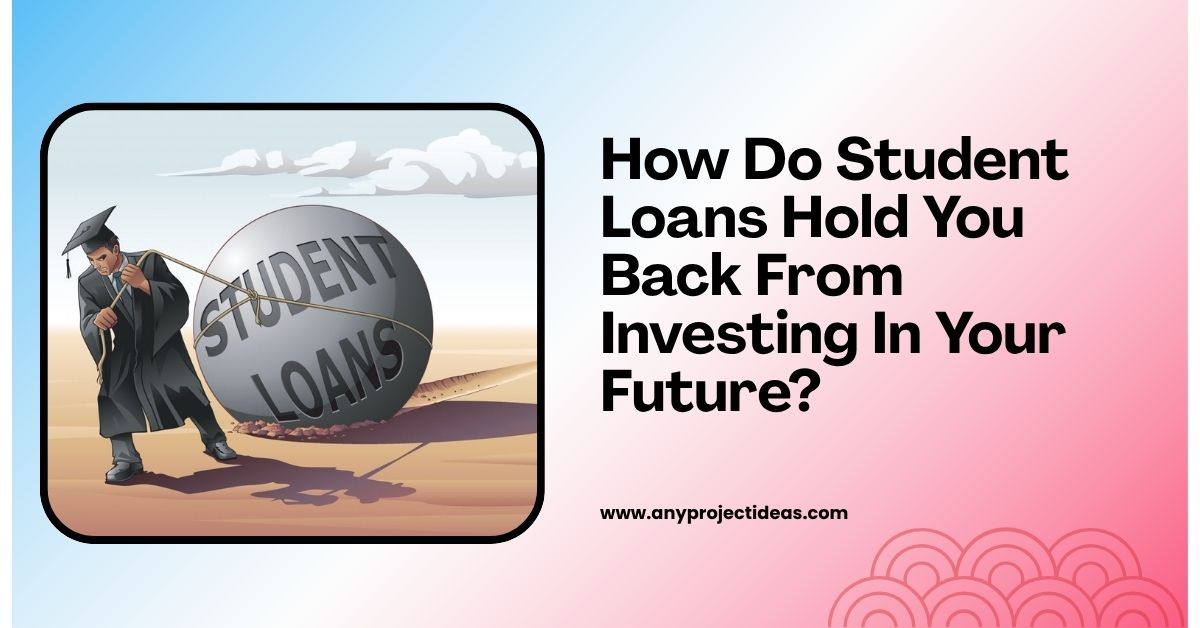
Student loans often feel like a necessary step toward a better career. For many students, they open the door to education, skills, and opportunities that might otherwise stay out of reach. But once graduation ends, reality begins—and so do repayments.
The real question isn’t whether student loans are useful. It’s this: how do student loans hold you back from investing in your future?
This guide takes a clear, research-backed look at how student debt affects financial growth, career decisions, and long-term wealth building. More importantly, it also explores practical ways to manage these challenges without feeling stuck.
The Growing Reality of Student Loan Debt
Student debt is no longer a small financial inconvenience—it’s a long-term commitment.
Globally, millions of graduates begin their careers with significant loan balances. In many cases, repayment stretches over 5 to 15 years or more, depending on the loan size and interest rate.
Here’s what makes student loans impactful:
- Monthly repayment obligations begin early in your career
- Interest increases the total repayment amount over time
- Financial flexibility becomes limited during key life stages
This combination directly affects how and when you invest in your future.
You May Also Like: 10 Reasons Why School Should Start Later
How Do Student Loans Hold You Back From Investing in Your Future?
At its core, student debt reduces your ability to take financial risks, save consistently, and build wealth early.
When a portion of your income goes toward loan repayment every month, you have less available for:
- Investments
- Savings
- Business opportunities
- Personal growth
This creates a ripple effect that can delay important financial milestones.
Let’s break this down in practical terms.
Reduced Ability to Save and Invest Early
Time is one of the most powerful tools in investing.
Starting early allows your money to grow through compounding. But student loans often delay this process.
The Cost of Delayed Investing
Imagine two individuals:
- One starts investing at age 22
- The other starts at age 30 due to loan repayments
Even if both invest the same amount later, the first individual benefits from years of compounded growth.
Student loans can delay:
- Retirement savings
- Emergency fund creation
- Wealth accumulation
That delay can significantly reduce long-term financial growth.
Monthly Cash Flow Constraints
Your monthly income determines your financial decisions.
Student loans take a fixed portion of that income, leaving less room for flexibility.
What This Means in Real Life?
A graduate earning a moderate salary may need to allocate:
- 10–30% of income toward loan repayment
This limits spending in areas like:
- Investments
- Skill development courses
- Business ideas
- Travel or networking opportunities
When cash flow feels tight, investing becomes a secondary priority—even though it shouldn’t be.
Limited Risk-Taking Ability
Building a strong future often requires calculated risks.
This could mean:
- Starting a business
- Switching careers
- Pursuing higher education
- Investing in new opportunities
Student loans create a psychological and financial barrier.
Why Risk Feels Harder With Debt?
When you have monthly repayments:
- You prioritize stability over opportunity
- You avoid uncertain income paths
- You hesitate to explore new ventures
Debt doesn’t just affect your wallet—it affects your mindset.
Impact on Credit and Borrowing Power
Credit plays a major role in financial growth.
Student loans influence your credit profile in two ways:
Positive Impact
- Timely repayments can build a good credit history
Negative Impact
- High debt levels increase your debt-to-income ratio
- This can reduce your ability to secure loans for:
- Homes
- Businesses
- Investments
In simple terms, student loans can limit access to future financial opportunities.
Delayed Major Life Milestones
Financial stability influences life decisions more than we often admit.
Student debt can delay:
- Buying a home
- Starting a family
- Pursuing higher education
- Relocating for better opportunities
The Emotional Side of Financial Delay
It’s not just about money.
Delays can create:
- Stress
- Frustration
- A feeling of being “behind” peers
This emotional impact can influence decision-making and long-term goals.
Opportunity Cost: The Hidden Financial Impact
Opportunity cost is one of the most overlooked aspects of student loans.
Every rupee spent on loan repayment is a rupee not invested elsewhere.
A Simple Example
If you pay ₹10,000 monthly toward loans, that’s:
- ₹1,20,000 per year
- ₹6,00,000 over 5 years
If invested instead, that amount could grow significantly over time.
This doesn’t mean loans are bad—it highlights the trade-off.
Career Choices Driven by Debt
Ideally, career decisions should align with passion, skills, and long-term goals.
However, student loans often push graduates toward:
- Higher-paying jobs instead of preferred roles
- Less flexible work environments
- Limited career experimentation
The Long-Term Impact
Choosing a job purely for financial reasons can lead to:
- Lower job satisfaction
- Burnout
- Slower personal growth
In this way, student loans can indirectly shape your career path.
Strategies to Overcome the Limitations of Student Loans
While student loans create challenges, they don’t have to define your future.
Here’s how you can stay financially proactive.
Prioritize Smart Repayment
Focus on:
- Paying high-interest loans first
- Avoiding missed payments
- Considering refinancing options (where applicable)
Reducing interest burden helps free up future income.
Start Small with Investments
You don’t need large amounts to begin investing.
Even small, consistent contributions can:
- Build discipline
- Take advantage of compounding
- Create long-term growth
Starting early—even with limited funds—makes a difference.
Build a Budget That Works
A clear budget helps you balance:
- Loan repayment
- Essential expenses
- Savings and investments
Without a plan, money tends to disappear quickly.
Increase Income Streams
Consider:
- Freelancing
- Part-time work
- Skill-based side projects
Additional income can accelerate both repayment and investing.
Focus on Financial Education
Understanding money management is crucial.
Learn about:
- Investment options
- Risk management
- Long-term financial planning
Better knowledge leads to better decisions.
Are Student Loans Always a Barrier?
It’s important to keep a balanced perspective.
Student loans are not inherently negative. They often enable access to education and career opportunities that increase earning potential.
The key lies in:
- Managing debt responsibly
- Avoiding unnecessary borrowing
- Making informed financial decisions
When handled wisely, student loans can coexist with long-term financial growth.
Don’t Miss: State Four Reasons Why the Youth Often Involve Themselves in Risky Behaviors
Final Thoughts
So, how do student loans hold you back from investing in your future?
They reduce your financial flexibility, delay investment opportunities, limit risk-taking, and influence major life decisions. But they don’t make growth impossible.
With the right strategies—smart repayment, early investing, and disciplined budgeting—you can overcome these challenges and still build a strong financial future.
Your starting point may include debt, but your destination doesn’t have to be defined by it.